
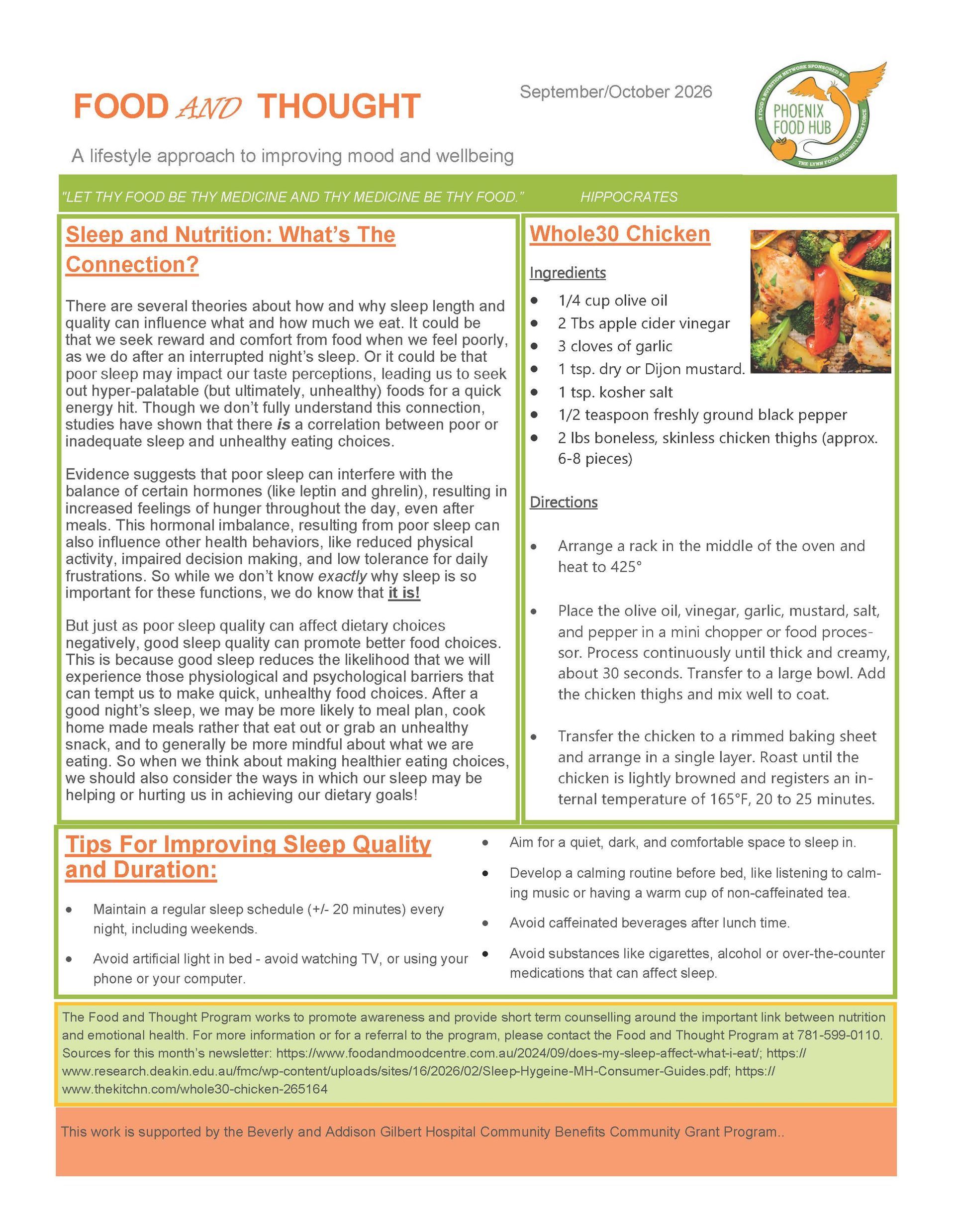
Sleep and Nutrition: What’s The Connection? There are several theories about how and why sleep length and quality can influence what and how much we eat. It could be that we seek reward and comfort from food when we feel poorly, as we do after an interrupted night’s sleep. Or it could be that poor sleep may impact our taste perceptions, leading us to seek out hyper-palatable (but ultimately, unhealthy) foods for a quick energy hit. Though we don’t fully understand this connection, studies have shown that there is a correlation between poor or inadequate sleep and unhealthy eating choices. Evidence suggests that poor sleep can interfere with the balance of certain hormones (like leptin and ghrelin), resulting in increased feelings of hunger throughout the day, even after meals. This hormonal imbalance, resulting from poor sleep can also influence other health behaviors, like reduced physical activity, impaired decision making, and low tolerance for daily frustrations. So while we don’t know exactly why sleep is so important for these functions, we do know that it is! But just as poor sleep quality can affect dietary choices negatively, good sleep quality can promote better food choices. This is because good sleep reduces the likelihood that we will experience those physiological and psychological barriers that can tempt us to make quick, unhealthy food choices. After a good night’s sleep, we may be more likely to meal plan, cook home made meals rather that eat out or grab an unhealthy snack, and to generally be more mindful about what we are eating. So when we think about making healthier eating choices, we should also consider the ways in which our sleep may be helping or hurting us in achieving our dietary goals! Tips For Improving Sleep Quality and Duration: Maintain a regular sleep schedule (+/- 20 minutes) every night, including weekends. Avoid artificial light in bed - avoid watching TV, or using your phone or your computer. Aim for a quiet, dark, and comfortable space to sleep in. Develop a calming routine before bed, like listening to calming music or having a warm cup of non-caffeinated tea. Avoid caffeinated beverages after lunch time. Avoid substances like cigarettes, alcohol or over-the-counter Whole30 Chicken Ingredients 1/4 cup olive oil 2 Tbs apple cider vinegar 3 cloves of garlic 1 tsp. dry or Dijon mustard. 1 tsp. kosher salt 1/2 teaspoon freshly ground black pepper 2 lbs boneless, skinless chicken thighs (approx. 6-8 pieces) Directions Arrange a rack in the middle of the oven and heat to 425° Place the olive oil, vinegar, garlic, mustard, salt, and pepper in a mini chopper or food processor. Process continuously until thick and creamy, about 30 seconds. Transfer to a large bowl. Add the chicken thighs and mix well to coat. Transfer the chicken to a rimmed baking sheet and arrange in a single layer. Roast until the chicken is lightly browned and registers an internal temperature of 165°F, 20 to 25 minutes. This work is supported by the Beverly and Addison Gilbert Hospital Community Benefits Community Grant Program.. The Food and Thought Program works to promote awareness and provide short term counselling around the important link between nutrition and emotional health. For more information or for a referral to the program, please contact the Food and Thought Program at 781-599-0110. Sources for this month’s newsletter: https://www.foodandmoodcentre.com.au/2024/09/does-my-sleep-affect-what-i-eat/; https://www.research.deakin.edu.au/fmc/wp-content/uploads/sites/16/2026/02/Sleep-Hygeine-MH-Consumer-Guides.pdf; https://www.thekitchn.com/whole30-chicken-265164
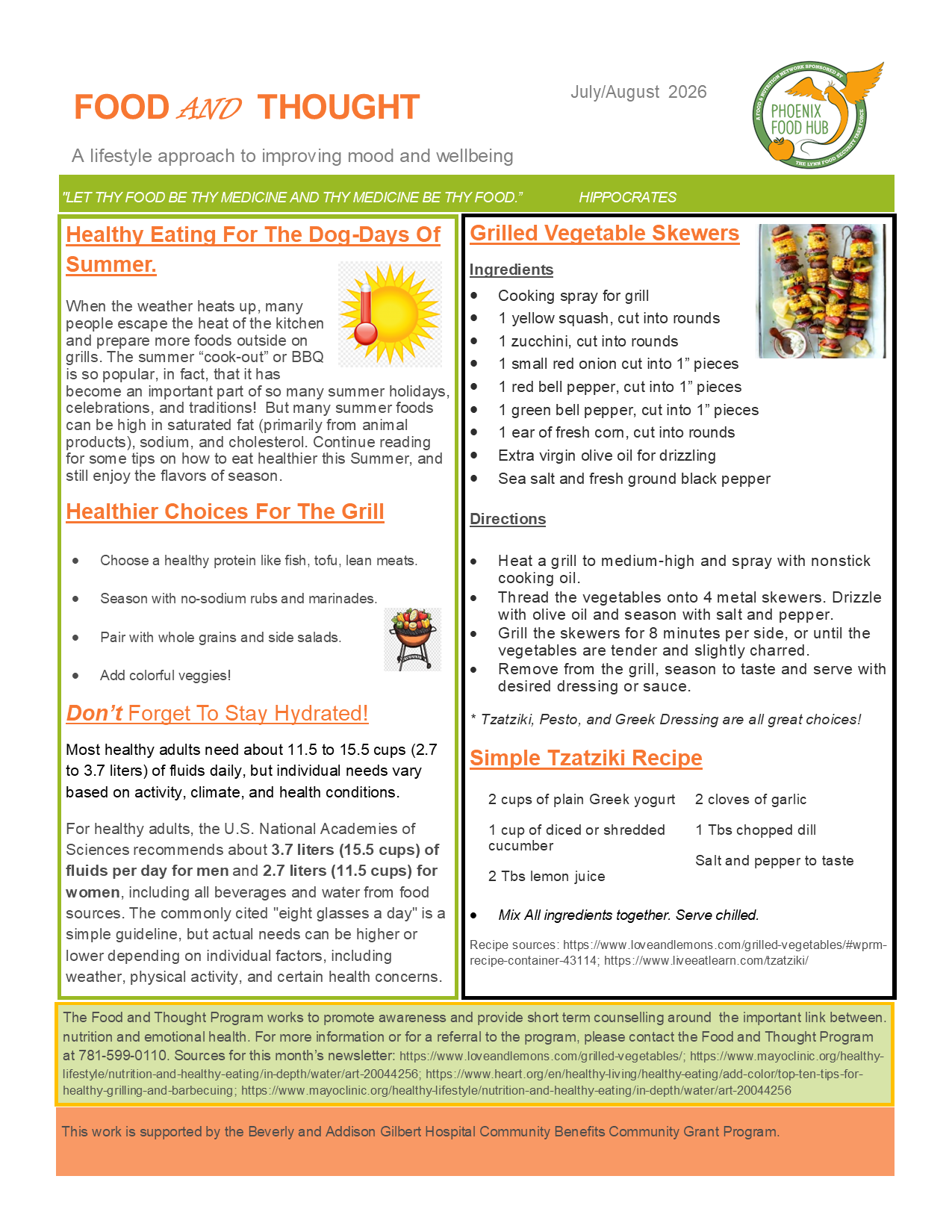
Get summer BBQ tips, hydration advice, & healthy recipes like grilled veggie skewers. Join us for nutritious eating this season!
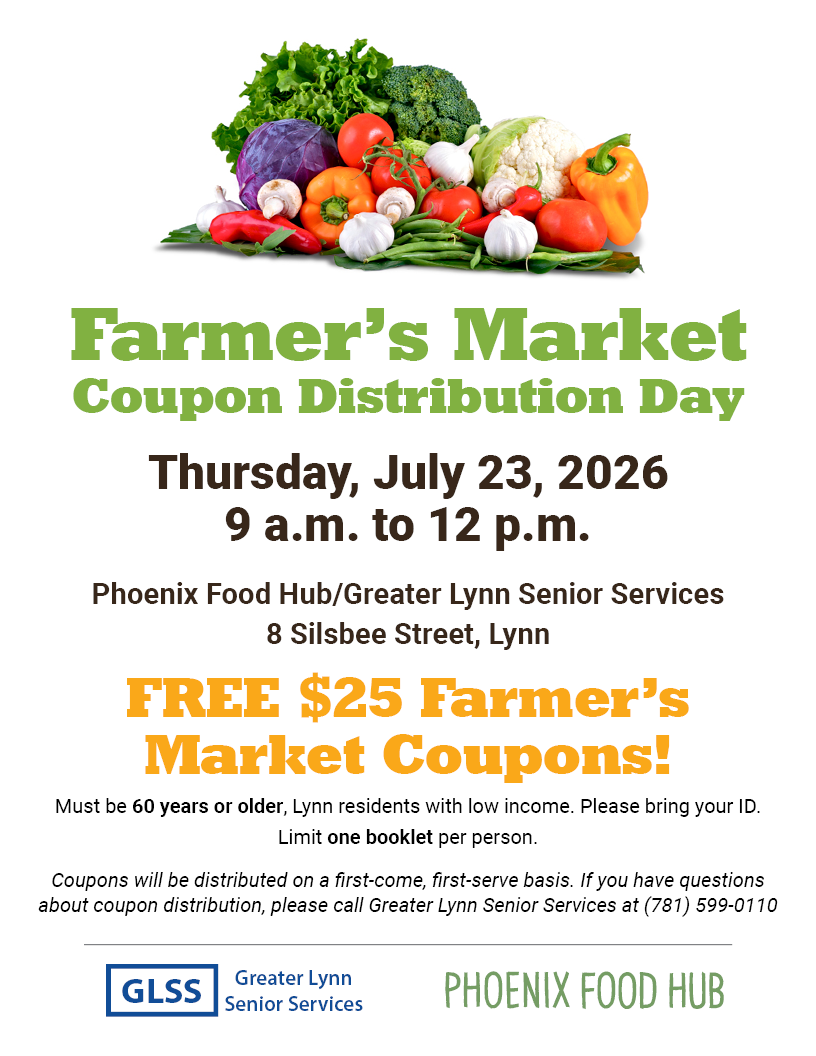
GLSS and Phoenix Food Hub are excited to announce this summer's Farmer's Market Coupon Distribution Day! FREE $25 Farmer’s Market Coupons will be distributed: When: Thursday, July 23, 2026 9 a.m. to 12 p.m. Where: Phoenix Food Hub/Greater Lynn Senior Services 8 Silsbee Street, Lynn Who: Must be 60 years or older, Lynn residents with low income . Please bring your ID. Limit one booklet per person. Booklets contain five $5 coupons. Coupons can be used at the Lynn Farmer's Market and at over 40 other markets and farm stands throughout the North Shore. Coupons will be distributed on a first-come, first-serve basis. If you have questions about coupon distribution, please call Greater Lynn Senior Services at (781) 599-0110
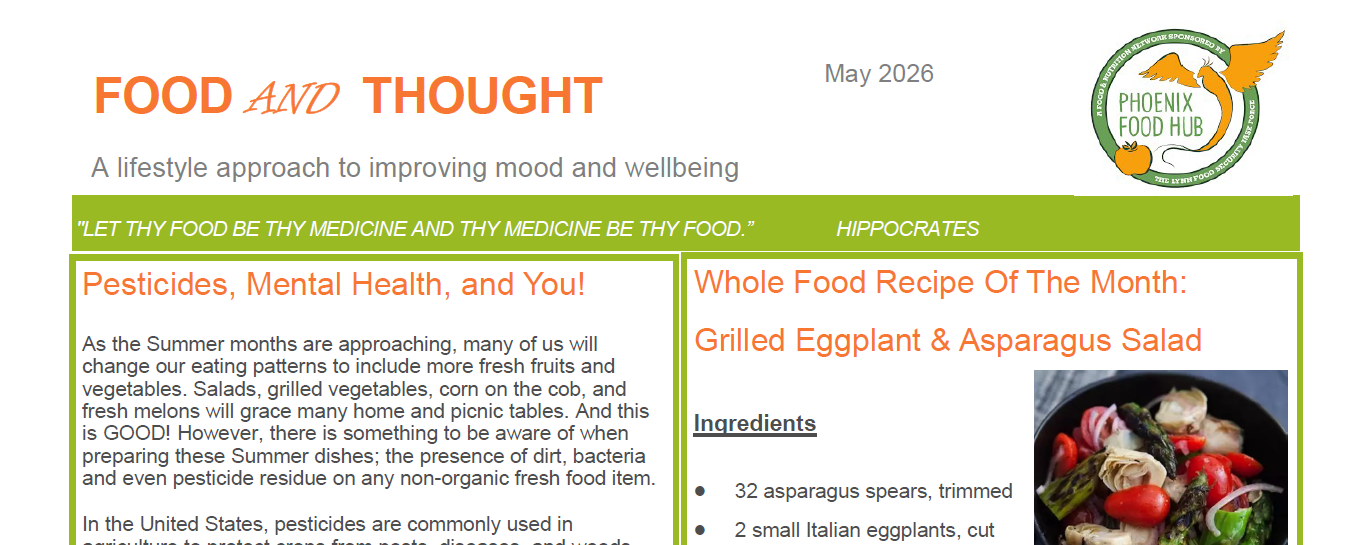
Learn about nutrition assistance & tips for healthy eating. Join us for classes & support to improve your diet today!
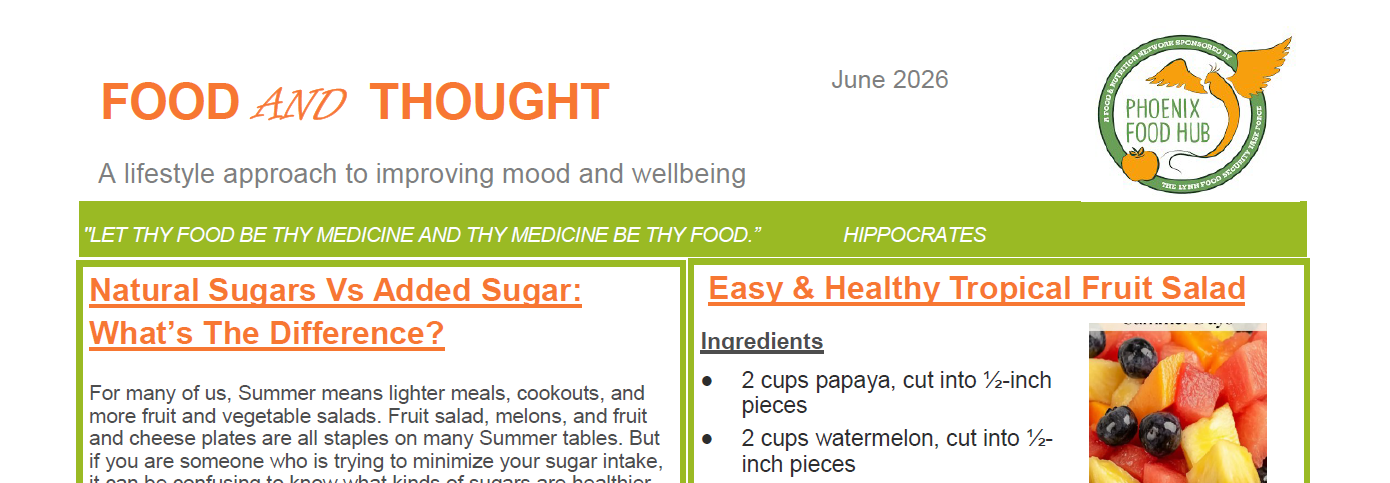
Learn about natural vs. added sugars & healthy eating tips. Join us for nutrition counseling & cooking classes!
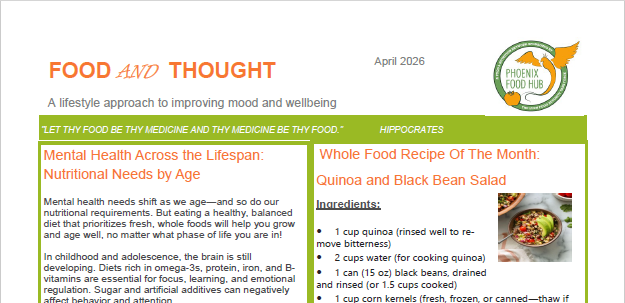
Mental Health Across the Lifespan: Nutritional Needs by Age